












Notes & Combos
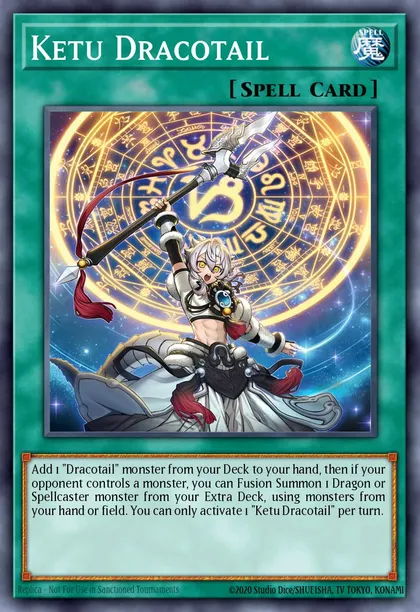
-Hello! Dracotail is very versatile. One of the versions I really wanted to test was the Invoked variant, and after reaching ND Max with it, I feel I have a solid grasp of the deck. First, let’s talk about the ratios; the most notable aspect is the absence of Magical Meltdown. This is because it can only search for the original Aleister—which, frankly, is the worst Invoked starter—so I only run two copies of it. You might ask, "Why not cut it entirely to make room for more copies of the Aiwass support cards?" The issue there is that those cards connect directly into Reminiscent, effectively giving you nine copies of the same card—which creates terrible "choke points." That’s why the original Aleister remains useful: it helps avoid that problem.
-Dracotail provides the push that Invoked sometimes feels like it’s missing, serving as an alternative game plan and/or a backup. For this reason, I believe it’s necessary to run 2 copies of Invocation—especially since Dracotail can sometimes result in "bricks" that are difficult to deal with; with Invocation, you can summon Arthalion and get your plays going. The only downside is that, in many cases, the interaction provided by Faimena loses a lot of its impact—both on turn 1 and turn 2—because Invoked lacks Dragon and Spellcaster-type Fusions. I’d say that’s the deck’s biggest problem.
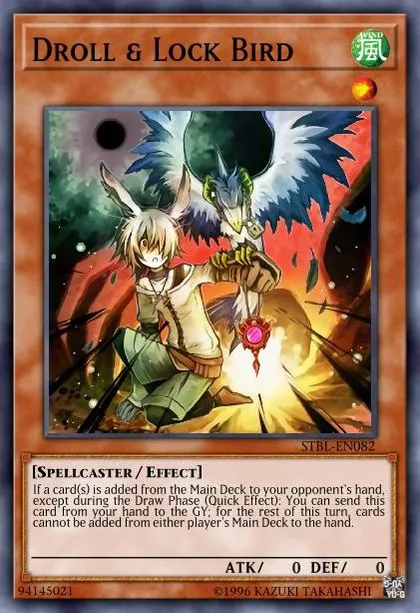
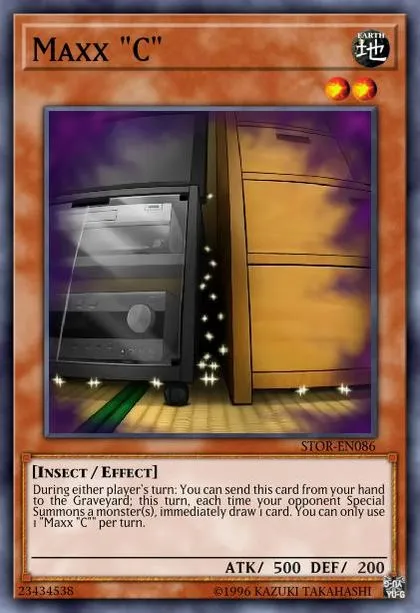
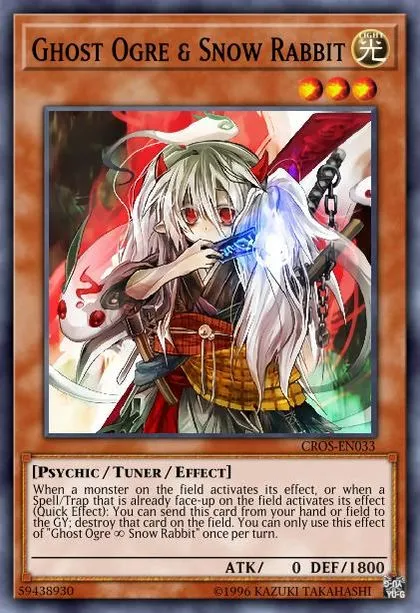
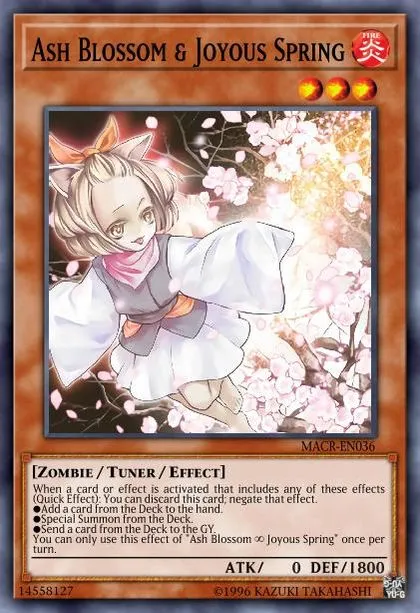
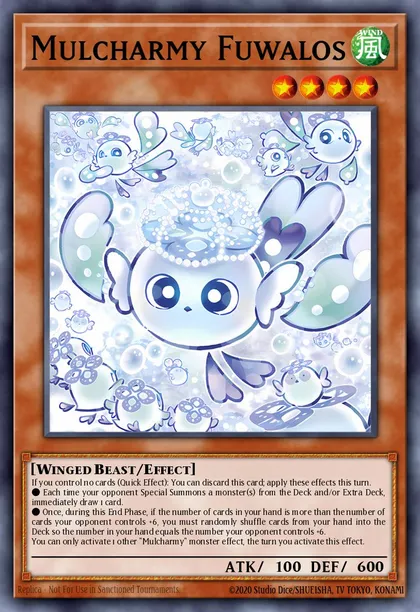
Unfortunately, this is neither the best version of Dracotail nor of Invoked; it makes Dracotail more vulnerable to cards it usually isn't (such as Droll, Fuwa, or Maxx "C"), and it significantly increases the number of "dead" cards in an Invoked build. While, in theory, combining the two decks should be excellent—and in some respects, it truly is—it isn't the perfect setup one might expect. It is a very fun and strong deck, but one with very distinct weaknesses.
Replays
683-118-357