



















Notes & Combos
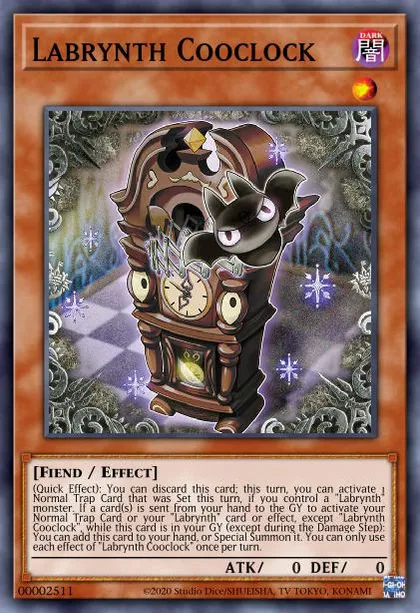
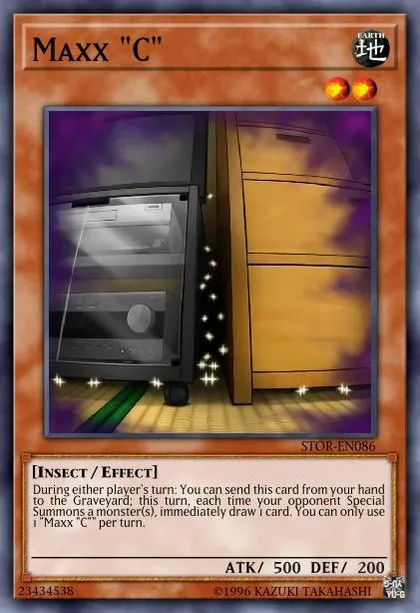
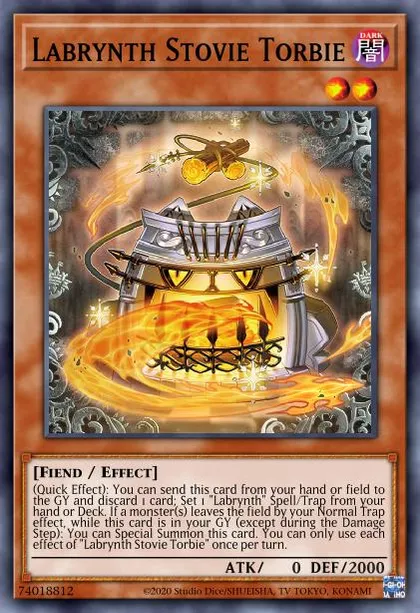
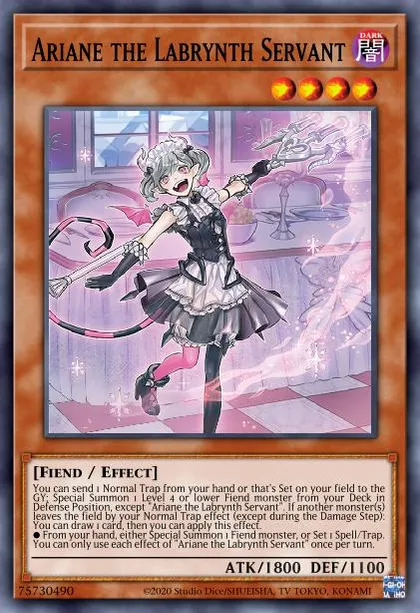
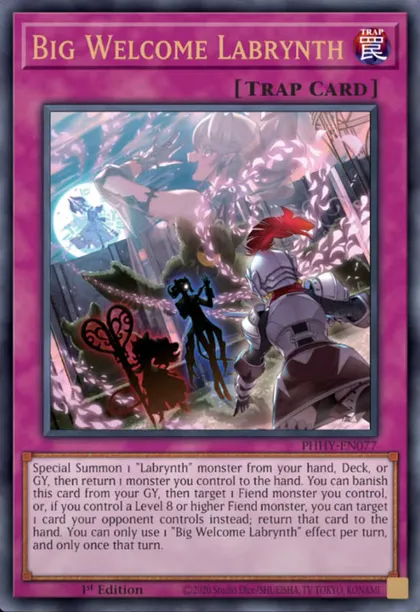
Early M1 - Unchained Labrynth
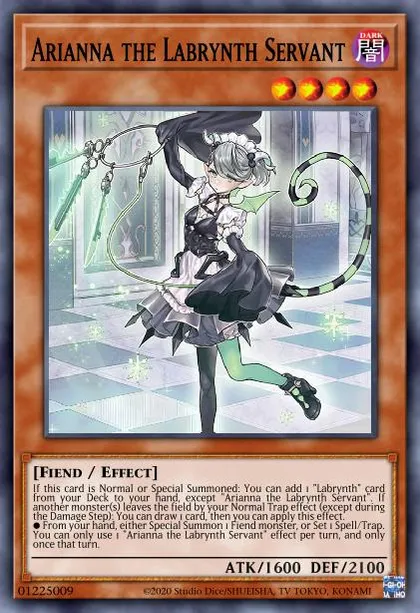
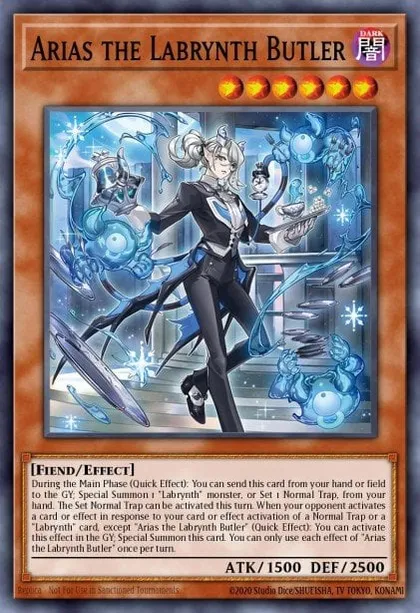
The ladder was a complete slush of grindy midrange decks, Zoo shells, and greedy Elfnote piles. It felt like every other opponent that wasn't explicitly resolving Ratpier lines was completely fine dragging the game out, trying to chip their way to victory. Coming into this season I tested out Dogmatika Labrynth to see if it could navigate the field well, but it just felt way too fair without Walbaz being a true bridge and MD still missing RDA cards. It not only had notable compromises in the main (ex. lists generally didn't run Arias) that weren't really worth the trade off in the current meta, but it played an honest, incremental grind game, which is exactly what Striker, RT Zoo, and Kewl Tune feast on.
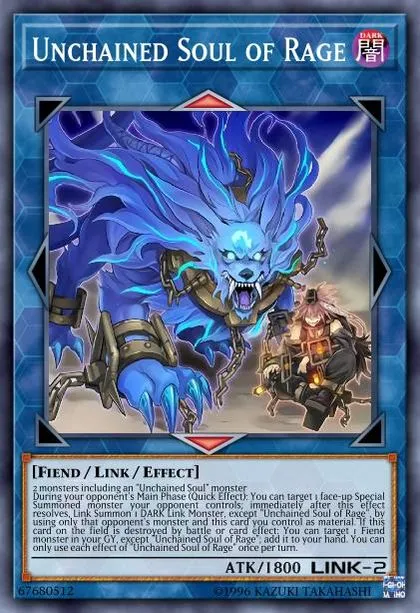
Instead of falling down that path and trying to out resource those decks, I pivoted back to the take on Lab that had an efficient combo that could go over the top, securing a blow out trap upfront in the process to close out games swiftly before those decks really got their resource loops going. Using the Unchained engine also had natural perks of being strong into all of the MSTs and F&Vs flying around.
I know some people love the grind of these long, back and forth, chess-like matches against decks that will happily go the distance against you like Branded and Sky Striker, but frankly, I wanted to skip all that noise. In this environment, If your primary win condition relies on trading resources one-for-one or occasionally north of that mark until turn 8 or beyond in an effort to outgrind, hoping your last card is better than theirs, you are giving up your agency and leaving your climb up to way too much variance.
In these crunched down, eroded game states where you and the opponent are both holding only a couple of cards or top-decking, technical skill often takes a back seat to pure RNG. The better player does not always win; instead, whoever happens to peel the most busted, standalone card in a vacuum walks away with the duel. More frequently avoiding scenarios like that by being on a direction that was more proactive / aggressive and less dedicated to the grind paid off in hindsight, making this climb much easier than it otherwise would have been.